
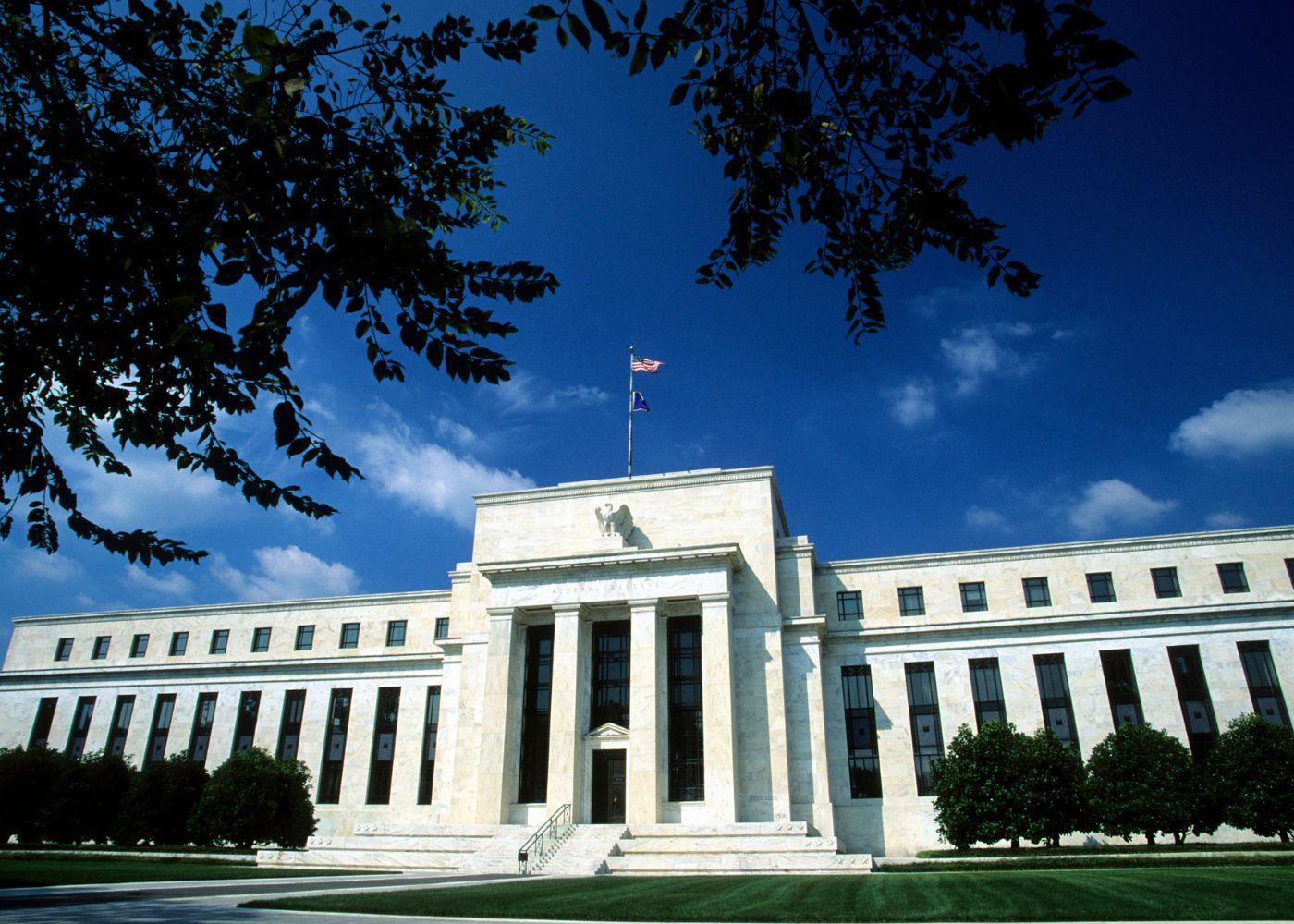
The Federal Reserve and Your Money
InvestmentThe Federal Reserve
The U.S. Federal Reserve (the Fed) had been gradually lowering the federal funds rate over the past year and has shifted to a "wait and see" approach. The White House has continued to advocate for further decreases; the Fed has signaled that it will remain data dependent. The market speculation around these decisions often generates significant media attention and a wide range of opinions about their economic impact. While such coverage can create “noise,” it is important to stay focused on factors within your control.
What do these rate changes mean for your financial well‑being? Should you adjust your investment portfolio accordingly?
In that context, let’s take a moment to share some insights about the Federal Reserve funds rate.
What Is the Federal Reserve?
The Federal Reserve is the central bank of the United States, established in 1913 to promote a stable and secure financial system. It is governed by a Board of Governors based in Washington, DC, chaired by Jerome Powell, whose term ends May 15. President Trump has nominated Kevin Warsh as a potential successor. The system includes 12 regional Reserve Banks and is responsible for:
- Monetary Policy: Supporting maximum employment, stable prices, and moderate long‑term interest rates.
- Supervision and Regulation: Overseeing U.S. banks and monitoring financial sector trends.
- Financial Services: Providing banking services to U.S. financial institutions and facilitating government monetary operations.
The Federal Open Market Committee (FOMC) comprising the Board of Governors and rotating Reserve Bank presidents meets eight times per year to evaluate economic conditions and adjust interest rates when necessary.
While interest‑rate changes are a major policy tool, the Fed also employs measures like Quantitative Easing (QE) and Quantitative Tightening (QT) to inject or remove liquidity from the financial system.
Financial markets often react to expectations ahead of FOMC meetings. However, outcomes can differ from expectations, causing volatility as markets adjust. The federal funds rate influences nearly all borrowing costs, changes can have broad economic effects even though the Fed does not directly set consumer loan or mortgage rates.
What Does This Mean for Your Money?
As the headlines focus on political pressure and leadership changes, you need to remember that the global monetary policy, interest rates, and markets are interrelated in complex ways. Even experts cannot predict with certainty how a single policy decision will affect the broader economy or an individual portfolio. However, there is plenty you can do to help or harm your own wealth interests.
- Market Expectations: Markets often adjust in advance of anticipated rate changes. If the Fed acts as expected, market movement may be minimal as its already reflected in market expectations.
- Unexpected Outcomes: Volatility typically arises when the Fed’s decision differs from market expectations. Because surprises cannot be predicted, reacting after the news is often too late and ineffective.
Rather than responding to headlines or speculation, it is more productive to focus on what you can control.
If you already have a well‑designed financial plan, avoid making abrupt changes based solely on the news cycle. If you do not have a comprehensive plan in place, this may be the right time to build one.
Interest‑rate movements affect saving, investing, spending, and borrowing decisions. A discussion with a wealth manager can help you understand these impacts and ensure your financial plan remains aligned with your long‑term goals.
We are here to help you navigate these changing conditions and make informed decisions that support your financial objectives.